Rebuilt Transmission Maintenance: How to Make Your Rebuild Last
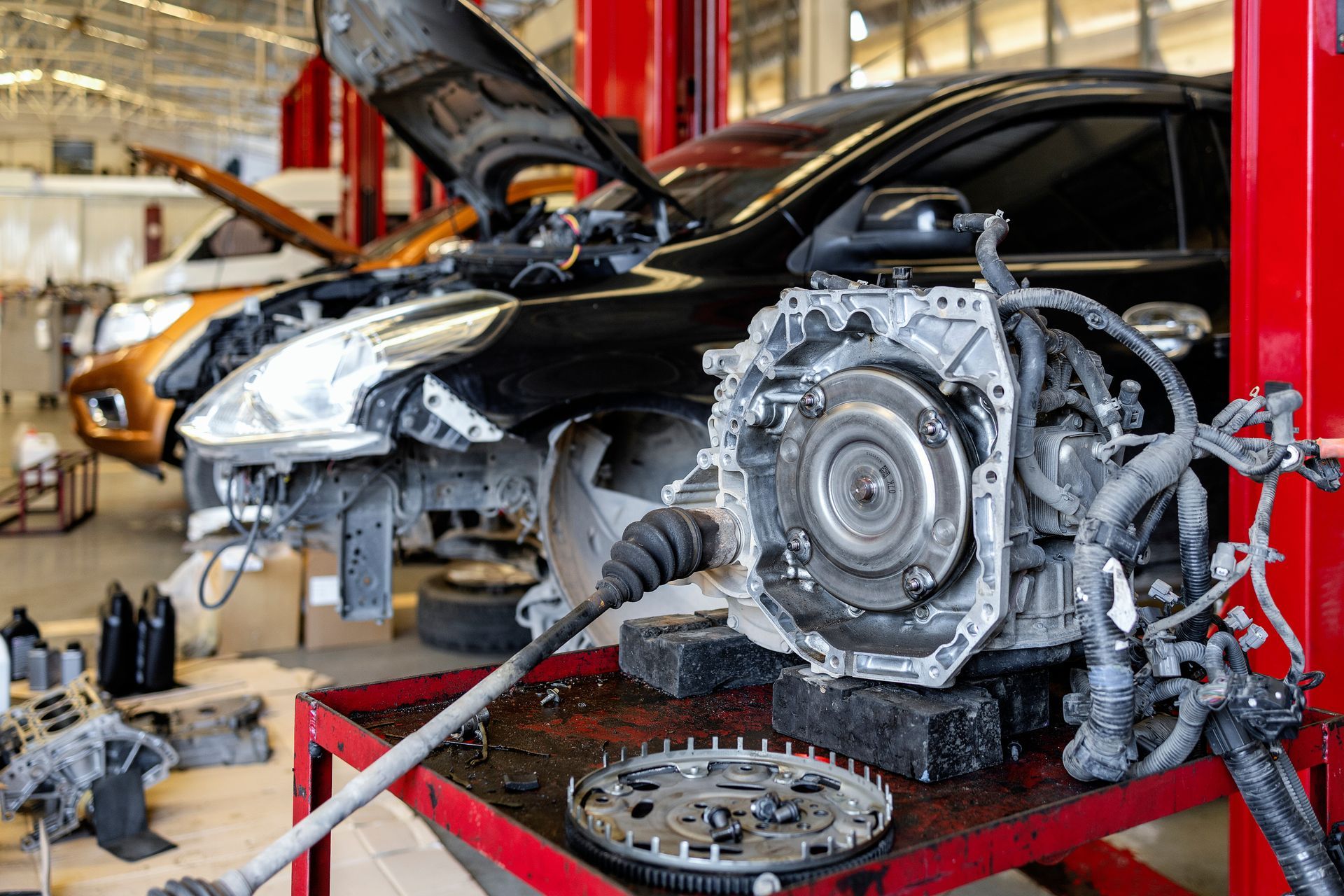
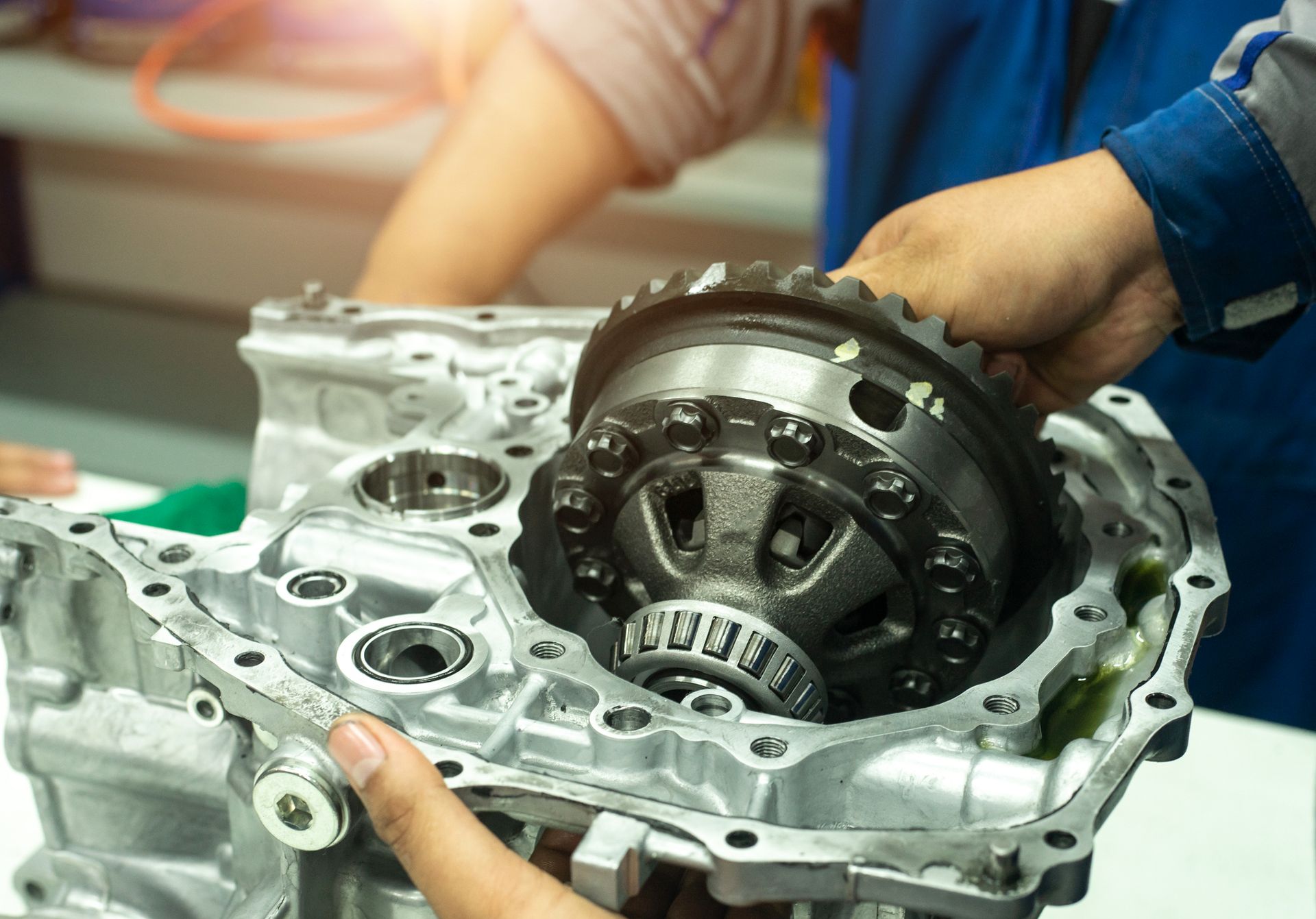
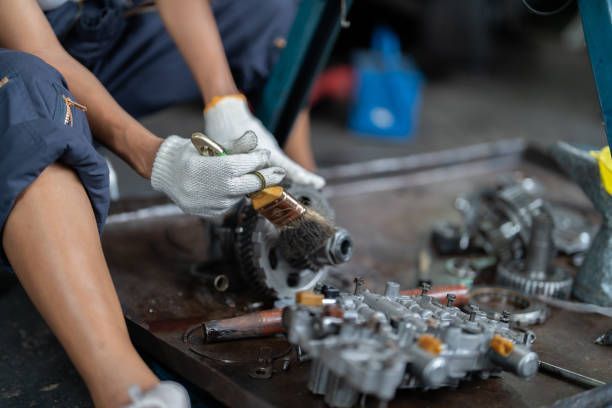
Drivers who invest in rebuilt transmission services want the work to last. A rebuild restores worn internal parts such as clutches, seals, and gaskets, but the results depend on how the vehicle is cared for afterward. Good maintenance protects the rebuild, helps avoid costly repairs, and keeps the transmission shifting smoothly for many miles. Many drivers in Huntington and the surrounding area turn to rebuilt transmission services when a unit has worn beyond a simple repair. They want to know how to make that investment last.
Why Maintenance Matters After a Rebuild
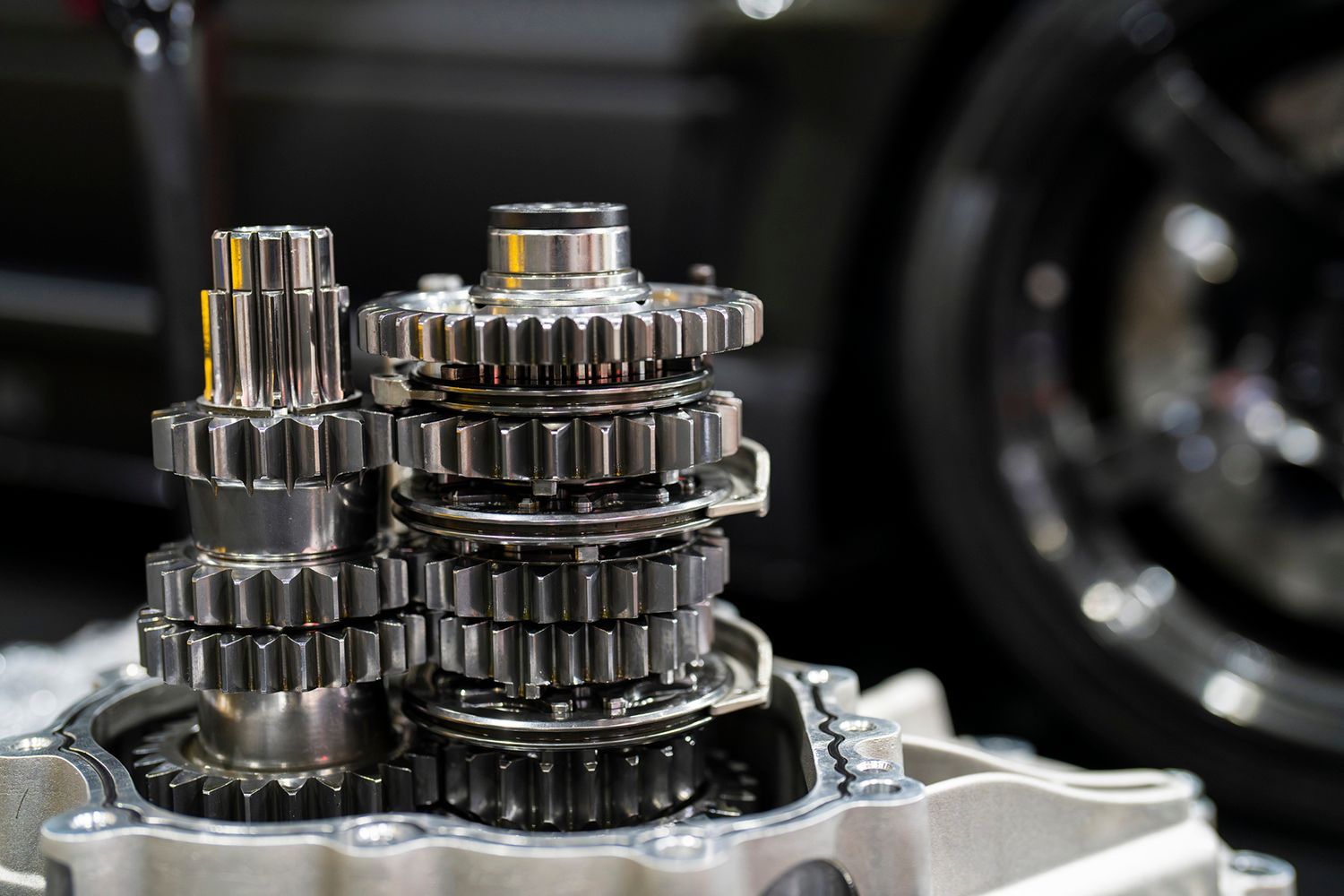
A transmission is a sealed system that depends on clean fluid, correct pressure, and healthy internal parts. Once a unit has been rebuilt, the new components need the same care a factory unit would get, and sometimes a little more during the first weeks of driving. Owners who follow a simple routine usually notice fewer surprises between service visits. A rebuild restores the mechanical parts, but the fluid and driving habits that follow play a major role in how the unit performs over time.
Check the Fluid Level and Condition
Fluid is the most important part of transmission care. Check the level and condition at the intervals listed in the owner's manual, and look at the color and smell as well. Healthy fluid is typically bright red or pink and has little odor. Fluid that looks dark, smells burnt, or contains debris is a sign that the transmission needs inspection.
Watch for these warning signs during routine checks:
▸ Fluid that is dark brown or black.
▸ A burnt smell when the dipstick is pulled.
▸ Visible metal flakes or grit on the dipstick.
▸ Puddles of red or brown fluid under the vehicle.
Use the Correct Transmission Fluid
Every transmission is designed for a specific fluid type. The owner's manual lists the correct fluid, and using the wrong product can change how the transmission shifts and how it handles heat. Avoid mixing fluid types, and ask the shop to confirm the right product before any top-off. After a rebuild, ask the technician to note the fluid type and service date on the invoice, so the next technician knows exactly what was installed. A quick question at service time can prevent problems that are expensive to correct later.
Keep Up With Scheduled Service
Scheduled service gives a technician the chance to inspect the transmission before a small issue grows. The transmission services FAQ notes that manufacturers generally suggest transmission service every 30,000 to 60,000 miles, and the exact interval depends on the vehicle, the driving conditions, and the owner's manual. Drivers who tow, carry heavy loads, or drive in stop-and-go traffic may need service sooner.
Drive Gently During the Break-In Period
The first weeks after a rebuild are a good time to drive with some care. Avoid hard launches, sudden full-throttle starts, and extended periods of heavy towing beyond the vehicle's rating. Let the transmission warm up before demanding maximum performance, especially in cold weather. Gentle driving gives the new parts time to seat properly and the fluid time to reach its working temperature. Drivers who notice an unusual change in how the vehicle shifts during this period should contact the shop promptly rather than waiting for the next scheduled visit. Early contact makes it easier to determine whether the issue is a normal adjustment or a sign that the rebuilt transmission needs attention.
Watch for Early Warning Signs
Catching a problem early often makes the difference between a simple adjustment and a major repair. Schedule an inspection if the vehicle shows any of these symptoms:
▸ Slipping between gears or a sudden rise in engine speed without a matching increase in speed.
▸ Delayed engagement when shifting into drive or reverse.
▸ Shuddering or a harsh shift that was not present before.
▸ Unusual whining, humming, or clunking noises.
▸ A dashboard warning light tied to the transmission.
Drivers who want a closer look at these symptoms can read the
five signs you need a rebuilt transmission article, which explains what each one may mean.
Protect Your Warranty With Good Records
Summit Transmission's rebuilds carry a conditional 2-year or 24,000-mile warranty that covers parts and labor. Clutch replacements carry a conditional 1-year or 12,000-mile warranty. Conditions apply, so review the terms before the work begins. Keeping copies of service invoices, fluid changes, and inspection notes makes it easier to show that the vehicle was maintained as required. Drivers can learn more about rebuilt transmission services and what each rebuild includes before scheduling work.
Schedule a Transmission Check Today
Routine maintenance is easier when a trusted shop knows the vehicle's history. Summit Transmission offers free computerized diagnostics, and the team is available Monday through Friday from 8:00 a.m. to 5:00 p.m.. Drivers in Huntington and the surrounding area can call 800-669-5985 to talk through symptoms, or use the contact page to send questions online. A short inspection can confirm that a rebuilt transmission is healthy and that the next service is on schedule.